Eat and Drink in Hobart
Draw inspiration from extraordinary wildlife to bustling street markets, embrace perfect silence, conquer trail shredding, and indulge in rooftop dining as you explore all facets of Tasmania’s personality.
Beyond mountains and rivers, it’s the cultural and dining experiences that thrive in Australia’s second-oldest city. Witness Hobart from the water, stroll on foot around the waterfront, or experience it from the saddle of a bike during a mountain descent. Delight in wine tastings at urban wineries, and as the day winds down, savor a whisky beside a dinosaur fossil or unwind in a cozy bar within the walls of a 19th-century hospital.
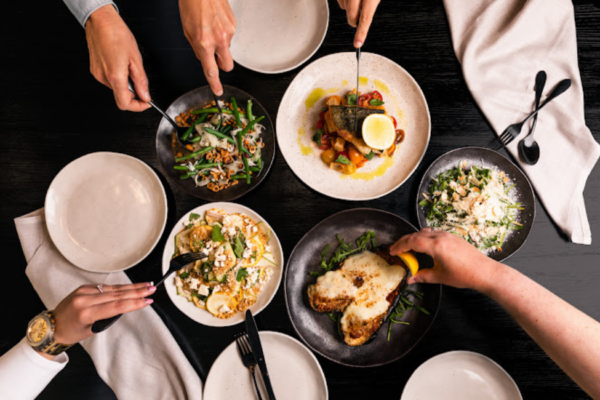
For recommendations and a glimpse of restaurant options, please click here.
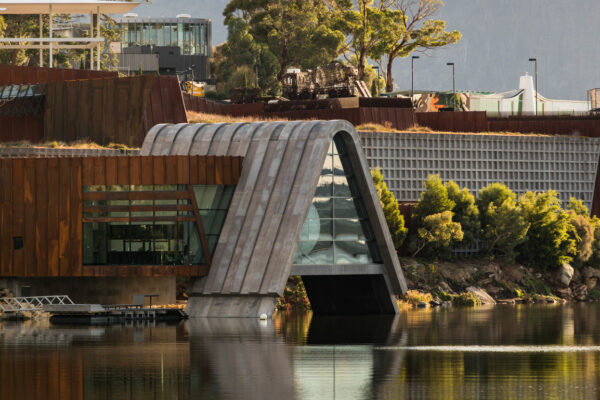
“MONA”, the remarkable Museum of Old and New Art, carved into a headland at Berriedale, 13km north of Hobart’s CBD, has been called many things since its shock-and-awe opening in 2011. At heart, Mona is a world-renowned art collection that doesn’t take itself too seriously. It’s a place to appreciate art, without the pretension. Come here to have fun, get tipsy, be shocked, be delighted, laugh, catch a gig, eat a burger, dine in style, think, dream.
© Photo credits to Mona and Jesse Hunniford
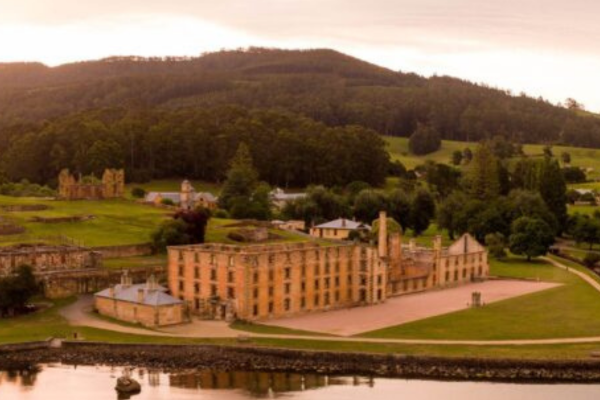
“Port Arthur Historic Site”, Tasmania’s most famous convict settlement combines an idyllic coastal setting with a brutal history. More than 30 buildings and ruins dot the Tasman Peninsula site, ranging from a large penitentiary, which was originally constructed as a flour mill, to a roofless church built by convicts. Wander the 40-hectare landscaped grounds and join one of the tours to gain full appreciation of this pivotal place in Tasmanian history.
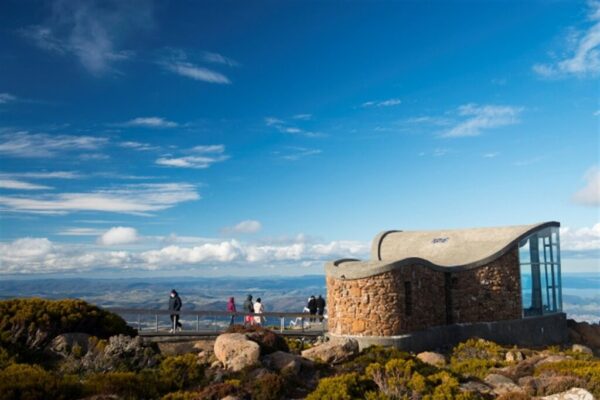
“Kunanyi/Mount Wellington”, Few cities can equal Hobart for the natural magnificence of its backdrop, with kunanyi / Mount Wellington towering 1271 metres above the city. For Hobartians, “the mountain” is part of daily life: a place to walk, ride mountain bikes, play in the winter snow and feel the reviving touch of nature, just a half-hour drive from the city centre.
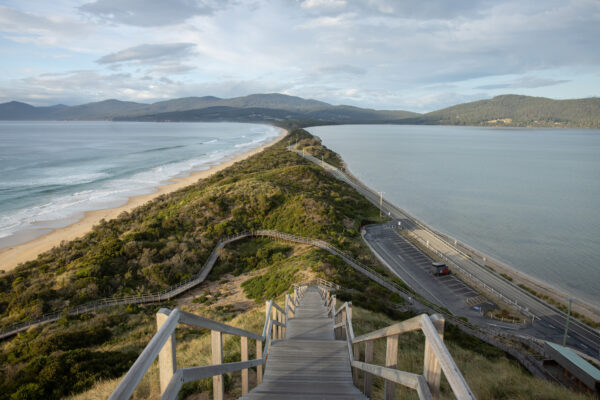
“Bruny Island”, Bruny Island is effectively two islands – North and South Bruny – bound together by a narrow isthmus called The Neck, with many of its most spectacular landscape scattered through South Bruny National Park. The island’s local produce is as refreshing as its beaches, cliffs and wildlife, with Bruny producers specialising in oysters, cheese, honey, whisky and chocolate.
© Photo credit to Jess Bonde
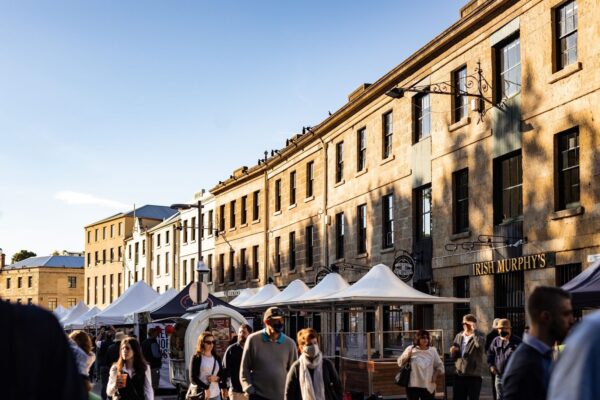
“Salamanca Market”, It’s the best place to find Tasmanian-designed and handmade products and discover the heart of a creative island. You will meet local artisans, designers, collectors, and producers and discover the story behind the makers that make a visit to Salamanca Market so special. Salamanca Market is the most visited tourist attraction in Tasmania and is open every Saturday from 8.30 am to 3 pm. The market is centrally located at historic Salamanca Place, nestled against historic Georgian sandstone warehouses, proudly owned and operated by the City of Hobart.
© Photo credit to Tourism Australia
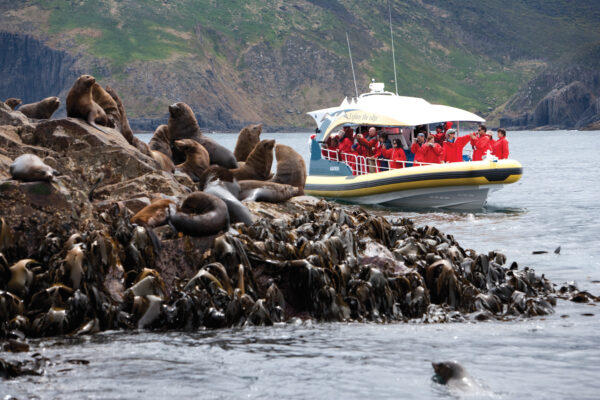
“Wildlife”, From migrating whales to frolicking dolphins, the clean waters washing Tasmania’s shores are home to a rich diversity of marine life. Wildlife cruises offer the chance to watch sea eagles and albatross wheeling above the waves and seals basking on the rocks.
© Photo credit Tourism Tasmania & Joe Shemesh
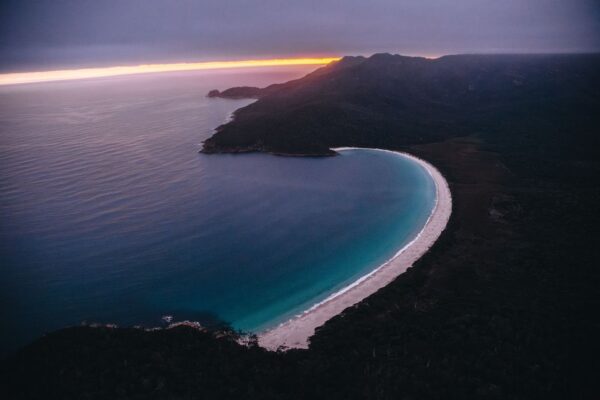
“Freycinet Peninsula”, Home to Tasmania’s most famous beach and one of its oldest national parks, Freycinet Peninsula is framed in white-sand beaches and pink mountains. For a single beach, Wineglass Bay has so many angles. The highest and most hard-earned view of the bay comes from atop Mount Amos, one of the peaks in the Hazards, though the climb is steep and requires some scrambling.
© Photo credit to Harrison Candlin – Vagary
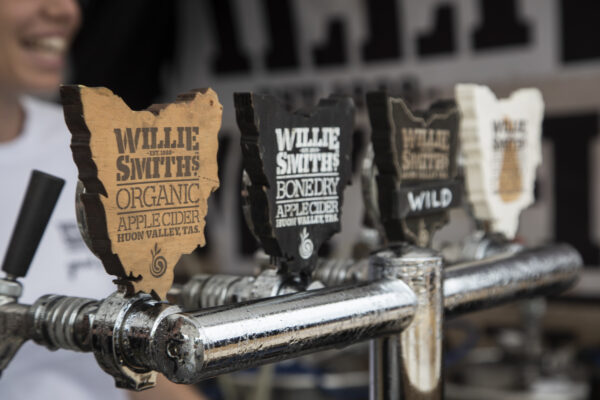
“Huon Valley”, Once the hub of Tasmania’s apple growing industry, the Huon Valley has well and truly broadened its palate. The apples have become cider, and fine wine pours from its vineyards, while fresh produce can be easily found at roadside stalls and valley eateries.
© Photo credit to Chris Phelps
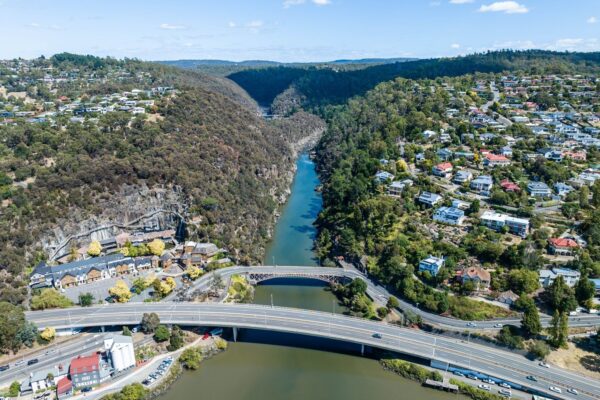
“Launceston”, Welcome to Launceston or “Launnie” as the locals call it. This vibrant cultural and gastronomic hub is home to a tight-knit and diverse community of winemakers, artists, distillers, designers, growers and nature lovers from around the world. Wild and landscaped spaces are linked by heritage streetscapes and thoughtful architectural adaptations – a dynamic blend of old and new, tradition and innovation.
Cataract Gorge is the leafy heart of Launnie – a spectacular natural canyon that’s been a sacred meeting place for Tasmanian Aboriginal communities for tens of thousands of years.
© Photo credit to Krista Eppelstun